Keeping your towels soft and fluffy is less about magic and more about what you don't do. The real secret is preventing residue from building up in the first place—that chalky film from hard water and the gunk left behind by harsh detergents. It really comes down to a simpler approach: use less detergent, ditch the old-school fabric softeners, and stick to warm water instead of scalding hot. This keeps the fibers clean and open, letting them stay as plush as the day you bought them.
Why Your Fluffy Towels Turn Hard and Scratchy
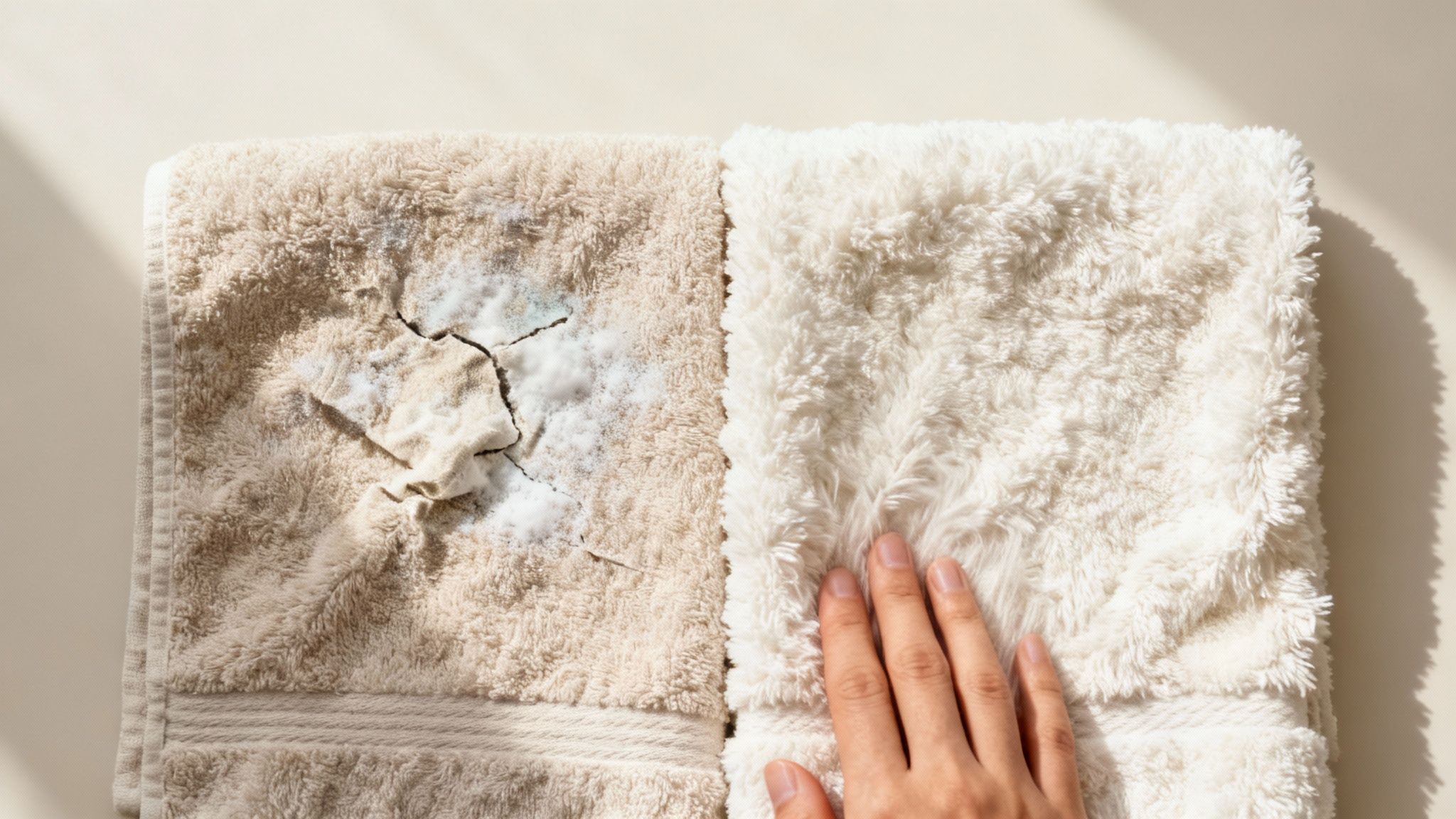
Remember that incredible softness of a brand-new towel? That luxurious, absorbent feeling seems to disappear after just a few laundry cycles. But the slow transformation from cloud-like comfort to a stiff, scratchy mess isn't just normal wear and tear.
The main offender is buildup.
Over time, the delicate cotton fibers in your towels get coated with invisible layers of residue. This buildup is a double-edged sword: it comes from detergent that never quite rinses out, and it’s made worse by hard water minerals like calcium and magnesium. These particles latch onto the fibers, crushing their natural fluff and making them stiff.
The Problem with Common Laundry Products
Ironically, the very products we trust to keep our towels clean are often what’s ruining them. So many well-intentioned laundry habits are actually the cause of this frustrating texture decline.
- Too Much Detergent: It's an easy mistake to make, but pouring in extra detergent is one of the worst things you can do. If the machine can't rinse it all away, a soapy film gets left behind, which acts like a magnet for grime and minerals. This is why a powerful, clean-rinsing laundry detergent without chemicals is an absolute game-changer.
- Traditional Fabric Softeners: They promise softness, but most liquid softeners work by coating fibers with a waxy, water-repellent film. Sure, it might feel soft to the touch at first, but that coating suffocates the fibers, killing their absorbency and trapping all that nasty residue underneath.
And this isn't just a hunch; it's a widespread problem. Research shows over 65% of consumers report their towels feeling less soft after just 10 washes. Many even notice they’ve become noticeably rougher within six months. This is almost always due to the buildup that also makes them far less absorbent.
The Main Causes of Stiff Towels
Here’s a quick look at the primary reasons your towels lose their softness and what's happening to the fibers.
| Culprit | Impact on Towel Fibers |
|---|---|
| Detergent Residue | Creates a stiff, soapy film that prevents fibers from absorbing water and feeling soft. |
| Hard Water Minerals | Calcium and magnesium deposits build up, making the cotton fibers rigid and brittle. |
| Liquid Fabric Softener | Coats fibers in a waxy, water-repellent layer that reduces absorbency and traps grime. |
| Over-Drying/High Heat | "Bakes" the fibers, making them feel scorched and stiff while also damaging their integrity over time. |
At the end of the day, these culprits all work together, slowly turning your once-luxurious towels into something you'd rather not use.
The key takeaway is that true softness comes from cleanliness. By preventing buildup, you allow the towel fibers to breathe and remain in their natural, plush state. A "less is more" approach is often the secret to lasting fluffiness.
Your Washing Routine for Ultimate Softness
The secret to keeping towels plush isn't some complicated laundry hack. It's about refining your wash-day ritual to clean deeply while protecting those delicate cotton fibers. Let’s get past the generic advice and into the details that actually work.
First thing's first: turn down the heat. It’s tempting to blast towels with hot water, thinking it’s the only way to get them truly clean. But all that heat does is damage the cotton, leaving fibers stiff and brittle over time. Warm water is your best friend here—it’s more than capable of dissolving detergent and lifting away grime without "cooking" the fabric.
Give Your Towels Room to Breathe
One of the biggest mistakes I see is an overstuffed washing machine. When you cram your towels in, there's no room for them to move, which means they never get properly washed or, more importantly, fully rinsed.
That’s how you get that scratchy, stiff feeling. Detergent residue and minerals get trapped deep in the fibers and build up over time. As a rule of thumb, never fill the drum more than three-quarters full. That extra space lets water and detergent work their magic and then rinse away completely. This is crucial if you're using the right laundry detergent for front loading machines, since they are designed to use less water.
Pro-Tip: Always wash towels in their own separate load. Throwing them in with clothes, especially heavy items like jeans, can cause lint transfer and flatten the delicate loops that make towels feel so soft.
A Natural Trick for Lasting Fluffiness
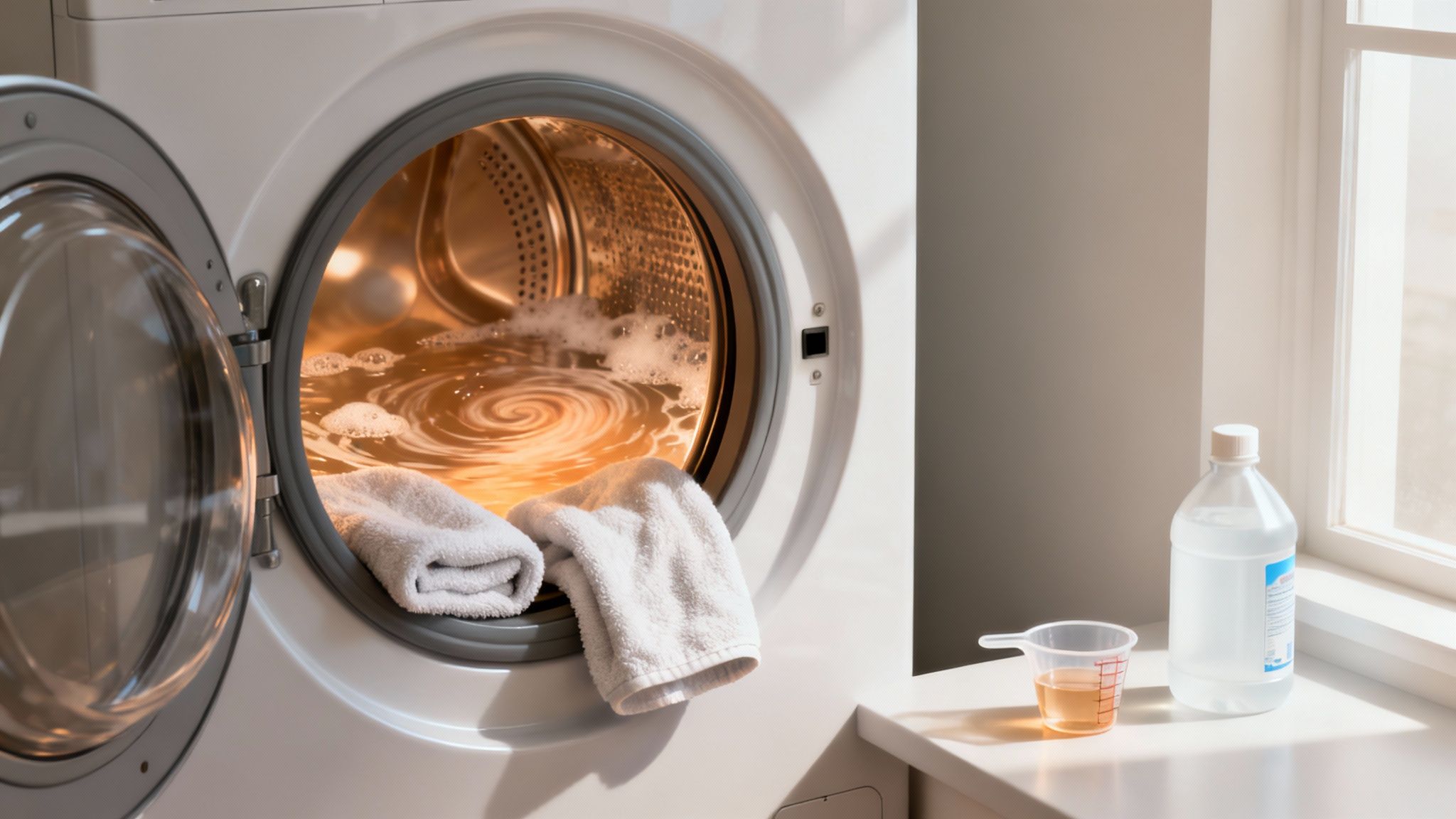
Here’s a game-changer for reviving old towels or keeping new ones from getting stiff: white vinegar. It’s a simple, brilliant way to strip away all the gunk that makes towels feel rough.
What it does is cut through the mineral and soap buildup that detergents and hard water leave behind. The acetic acid in the vinegar just dissolves it all away.
- How to Use It: Just pour a half-cup to a full cup of distilled white vinegar into your fabric softener dispenser.
- When to Add It: At the start of the wash cycle, so it gets released during the rinse.
- The Result: The vinegar works its magic, breaking down residue and leaving your towels softer, more absorbent, and free of any musty smells.
Building a solid cleaning routine is key, not just for laundry but for your whole home. For example, similar principles of deep cleaning and proper care apply when you need a guide on how to clean a mattress effectively. It’s all about using the right techniques to keep your fabrics feeling fresh and new.
The Secret to Powerful Cleaning and a Luxurious Scent
Let's be honest, those conventional fabric softeners aren't doing your towels any favors. They work by coating the fibers in a waxy, water-repellent film—the very thing that kills absorbency and leaves them feeling stiff and scratchy over time.
To get that truly plush, five-star-hotel feel, you have to flip the script. The real trick is to separate the act of cleaning from the art of scenting. It's a two-step ritual that ensures you never have to sacrifice a deep clean for a beautiful, lasting fragrance.
Build a Clean Canvas First
It all starts with creating the perfect foundation. You need a detergent that gets in, does its job, and gets out without leaving a trace. That's why the first step is to wash your towels with a powerful, odor-free laundry detergent. Its only mission is to obliterate dirt, oils, and all that product buildup, rinsing away completely.
This process strips your towels back to their natural state, creating a pristine, neutral base. They're left genuinely clean and ready to absorb water again, free from the gunk that makes them rough. Think of it as prepping a canvas—you need it perfectly clean before adding the final, artful touch.
This separation is the game-changer. When a detergent is designed only to clean, it does it exceptionally well. Your towels get softer and more absorbent simply because there’s nothing left behind to weigh them down.
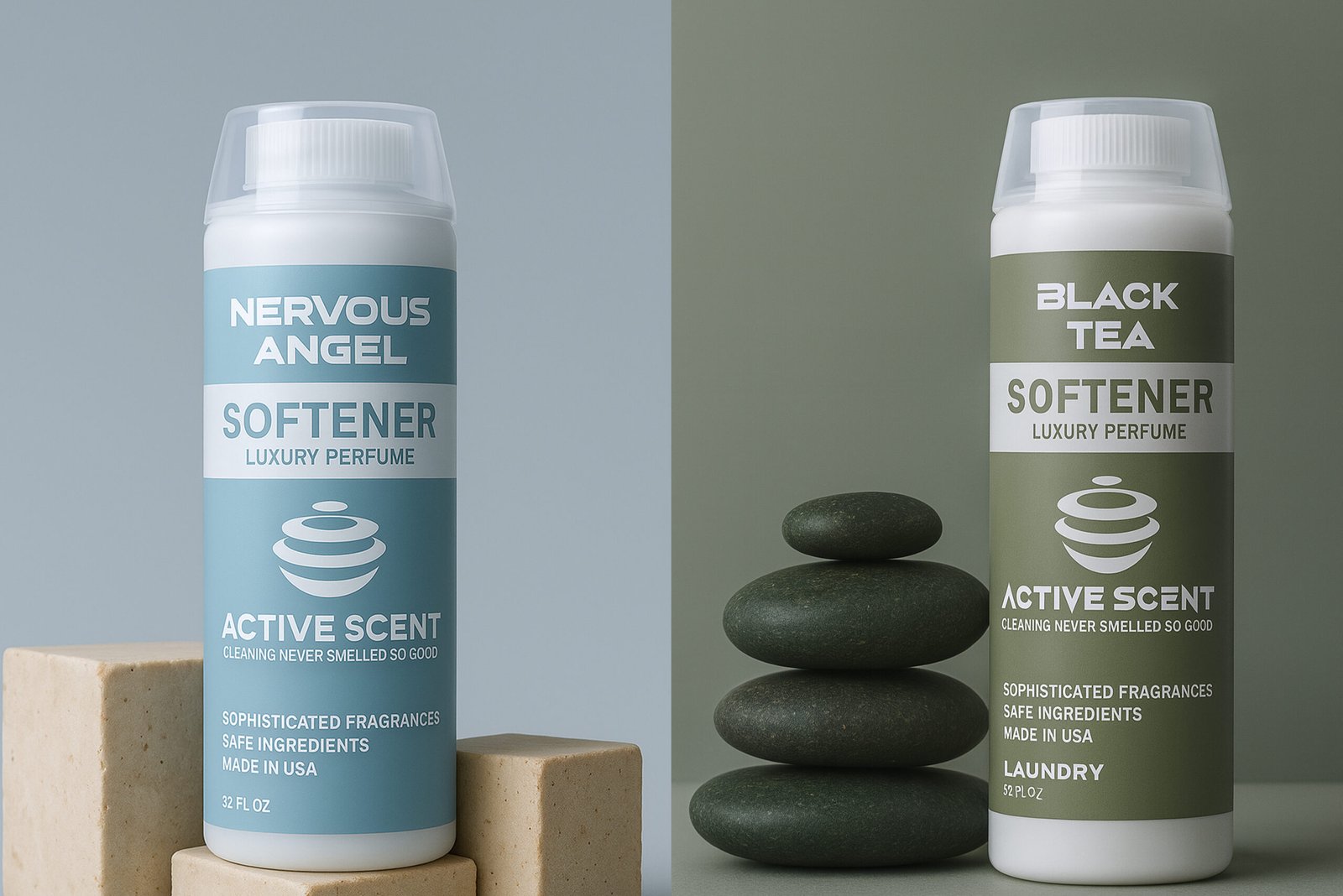
With that clean foundation set, you're ready to introduce a truly luxurious sensory experience. Inspired by the spirit of iconic French houses like Dior, Mugler, and Chanel, Active Scent's fragrances are bold, mysterious, and hypnotic olfactory statements. For example, one signature scent fuses deep, earthy patchouli with the burning radiance of amber, while fiery pimento berries ignite the composition with warmth. The fragrance is enveloped in the creamy depth of tonka bean and rich guaiac wood, creating an unforgettable impression.
This method ensures that an exquisite scent is the final layer on impeccably clean fabric. For more tips on making your laundry carry a signature scent, check out our guide on how to make your laundry smell fresh. The result is the perfect balance: an exceptional clean and an unforgettable aroma, with absolutely no compromise.
Mastering the Drying Process for Maximum Fluff
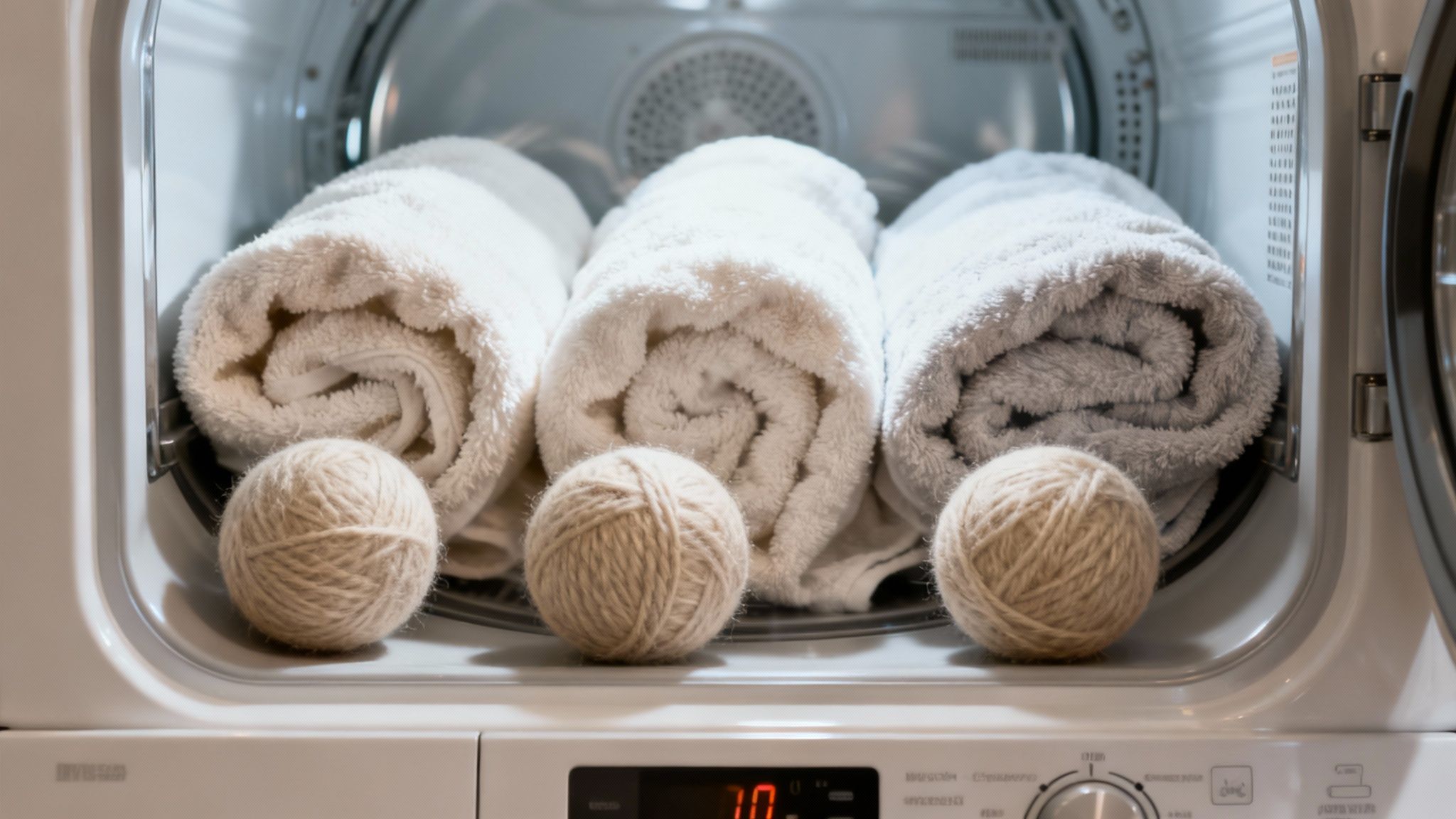
How you dry your towels is just as critical as how you wash them. Get this part wrong, and all your careful work in the wash cycle can be undone, leaving you with fabric that feels stiff and scratchy instead of cloud-like.
The absolute number one enemy of soft cotton is high heat. Blasting your towels in a scorching hot dryer essentially “bakes” the delicate fibers, making them brittle and rough. Always, always choose a lower temperature setting like medium or low heat. It might take a few extra minutes, but the payoff in softness is absolutely worth it.
The Power of the Shake and Tumble
Before your towels even see the inside of the dryer, give each one a really good, vigorous shake. This isn't just an old wives' tale; it's a simple step that physically opens up and fluffs the cotton loops, which is essential for both softness and drying efficiency.
Once they're in the machine, it's time to introduce their new best friend: wool dryer balls. Honestly, these are a total game-changer. Here’s why:
- They create space. As they bounce around, the balls get in between the heavy towels, preventing them from clumping into a dense, damp wad.
- They boost airflow. This separation allows hot air to circulate far more freely, which dramatically cuts down on your total drying time.
- They soften naturally. The gentle friction of the wool against the cotton fibers acts as a natural fabric softener, but without any of the waxy residue that can ruin absorbency.
This one addition transforms your dryer into a powerful fluffing machine. These same principles of careful drying apply to your larger items, too—you can find more tips in our guide on how to wash a king size comforter.
For the ultimate in fluffy towels, try a hybrid approach. Let your towels line-dry until they are about 80% of the way there, then toss them in the dryer on low heat with wool dryer balls for the last 10-15 minutes to finish them off.
This combination gives you the absolute best of both worlds. In fact, research shows that natural drying methods can increase towel fluffiness by as much as 20% compared to just machine drying alone. It’s a small detail that highlights how proper care is a key factor in consumer satisfaction. You can discover more insights about towel market trends on coherentmarketinsights.com.
Keeping Your Towels Soft for the Long Haul
Keeping your towels plush isn't a one-and-done deal; it's a commitment. The secret to lasting fluffiness lies in a consistent routine, and that starts with how often you wash them. While it might feel right to toss a towel in the hamper after one use, you’re actually just creating unnecessary wear and tear.
We've found that washing after every three to four uses is the sweet spot. It keeps things hygienic without breaking down the delicate fibers prematurely.
But let's be real—even with the best care, life happens. Over time, hard water minerals and leftover product residue can build up, leaving your once-luxurious towels feeling stiff, scratchy, and not nearly as absorbent. When you start to notice that dreaded crunch, it's time to hit the reset button.
How to Bring Stiff, Lifeless Towels Back from the Brink
This is our go-to revival method for stripping away all that stubborn gunk without relying on harsh chemicals. Think of it as a deep-cleansing facial for your towels, especially when they've lost their softness or picked up a funky, musty smell.
-
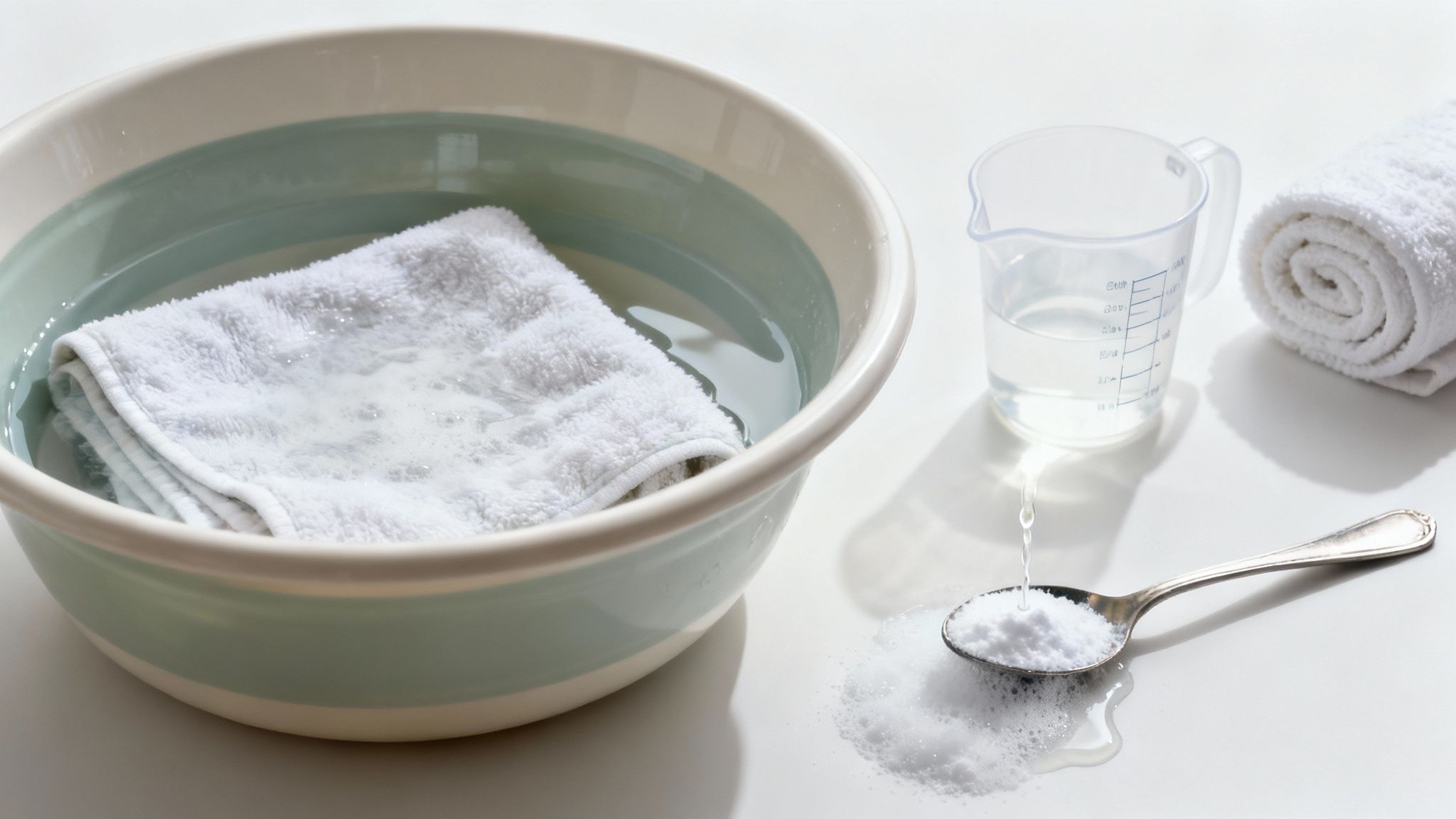
The Vinegar Soak: First, load your towels into the washing machine and add one cup of white vinegar—no detergent needed for this step. Run a full cycle on hot. The vinegar works its magic by dissolving all the mineral and soap residue that’s been clinging to the fibers for dear life.
-
The Baking Soda Refresh: Once that cycle is complete, leave the towels in the machine and sprinkle a half-cup of baking soda over them. Run a second hot water cycle, again with no detergent. The baking soda neutralizes any lingering odors and washes away the grime the vinegar just loosened up.
-
The Fluff-Up Dry: Finally, get them into the dryer. Tumble dry on a low or medium heat setting until they're completely dry. If you have wool dryer balls, toss them in—they really help to separate the fibers and boost that cloud-like softness.
This two-step process is a total game-changer, restoring your towels' absorbency and bringing back that plush feel you love. It’s an occasional spa day for your linens, clearing the way so a high-performance, clean-rinsing detergent can do its best work in all your future washes.
Your Questions, Answered
Even after mastering the basics, a few specific questions always pop up. I get it. Perfecting your laundry ritual is a process, so let's tackle the most common ones I hear about keeping towels impossibly soft.
Should I Really Ditch Fabric Softener?
Yes and no. You should absolutely avoid traditional liquid fabric softeners. It’s a bit of a trap—they promise softness, but what they’re really doing is coating your towel fibers in a waxy, water-repelling film. Over time, that buildup kills absorbency and locks in detergent residue, leaving your towels stiff and scratchy.
The modern way to think about it is to separate the clean from the scent. Start with a powerful, odorless detergent that rinses away completely. Once your towels are genuinely clean, you can introduce a luxury scented fabric softener from Active Scent. Composed of natural and ethically sourced ingredients, our formulas are designed to impart a bold, unforgettable fragrance without ever compromising that plush, absorbent feel you love. It's the best of both worlds.
How Often Is Too Often to Wash Towels?
It's tempting to wash them after every use, but over-washing is a fast track to worn-out, sad-looking towels. All that tumbling causes unnecessary wear and tear on the cotton fibers.
A good rule of thumb is to wash bath towels after three or four uses. This strikes the perfect balance between great hygiene and preserving the fabric, helping them stay softer for much longer.
Of course, this isn't a hard-and-fast rule. If a towel is visibly dirty or starts to smell a little funky, wash it immediately.
My Go-To Tip: To keep towels smelling fresh between washes, make sure you hang them up to dry completely after every single use. Proper air circulation is everything—it stops mildew from even thinking about growing, which is the number one cause of odors and fiber damage.
What's with All the Lint from My New Towels?
Totally normal! In fact, it's usually a sign of a high-quality, plush towel. New cotton towels are made with thousands of dense little loops, and some of the shorter fibers are bound to come loose in the first few washes.
The key is to wash all new towels before you use them. This first wash gets rid of any finishing treatments from the factory and takes care of most of that initial shedding. For an extra boost, I like to add a half-cup of white vinegar to that first cycle—it helps lock in the color and tames the lint even faster.
LAUNDRY NEVER SMELLED SO GOOD! Active Scent delivers powerful detergents fused with luxurious fragrances. Each product delivers a spark of joy and a surge of confidence, all wrapped up in an exceptional product. Get a deep, effective clean with our odor-free detergent, then finish with a softener that leaves an unforgettable olfactory statement.
Discover the full collection at https://active-scent.com.