So, can you wash viscose? Absolutely. But it’s not something you can just toss in the machine without a second thought. This beautiful fabric is notorious for shrinking, warping, or losing that silky drape if you’re not careful. The only ways to do it right are by hand washing or using the most delicate cycle your machine offers—always with cold water.
What You Need to Know Before Washing Viscose
Before that gorgeous viscose dress goes anywhere near water, let's talk about what makes it so special and, frankly, so fragile. Viscose is a type of rayon, a semi-synthetic fiber born from natural wood pulp. It’s what gives you that luxe, silk-like feel without the silk price tag. Its breezy, lightweight nature makes it a dream for blouses, skirts, and anything you want to live in all summer.
But the very thing that makes it feel so natural is also its Achilles' heel in the laundry room. When viscose gets wet, its cellulose fibers temporarily weaken and lose a huge amount of their strength. In this vulnerable state, the fabric is a prime target for:
- Shrinking: Any heat from the water or dryer will cause those delicate fibers to seize up for good.
- Stretching: The sheer weight of the water can pull the garment completely out of shape, especially if you hang it improperly.
- Color Fading: Harsh detergents and rough spinning can strip the life right out of its vibrant colors.
Why a Gentle Touch Is Everything
Treating viscose with care isn't just a friendly suggestion—it's the only way to keep your garments looking the way you bought them. It's no secret in the industry; about 60% of viscose garments sold in 2023 were specifically tagged for hand washing or gentle cycles. This isn't just cautious labeling. A 2022 survey revealed that nearly 45% of people have experienced shrinkage or shape loss after washing viscose incorrectly, usually because they used water hotter than 30°C or dared to use a tumble dryer. You can learn more about the unique properties of the viscose fiber market here.
The golden rule for viscose is simple: be gentle when it's wet. That means no aggressive twisting, wringing, or high-speed spin cycles that will torture those weakened fibers.
Here’s a quick cheat sheet to help you make the right call every time.
Viscose Washing At a Glance
| Care Factor | Hand Washing (Recommended) | Machine Washing (Use Caution) |
|---|---|---|
| Water Temperature | Cold water only (below 30°C / 86°F) to prevent shrinking. | Strictly cold water. Never select a warm or hot cycle. |
| Detergent | A mild, pH-neutral detergent. A small amount is all you need. | Use a gentle, silk-friendly detergent. Avoid powders that might not fully dissolve. |
| Agitation | Gentle swishing. No twisting or aggressive scrubbing. | Use the "Delicates," "Handwash," or "Wool" cycle. Lowest spin speed possible. |
| Best For | Delicate items, blouses, dresses, and anything with lace or embellishments. | Sturdier viscose blends or simple garments like t-shirts. |
| Risk Level | Lowest risk. You have full control over the process. | Higher risk of damage if settings are wrong. Always use a mesh bag. |
Ultimately, understanding why viscose needs this delicate handling is the key. By embracing cold water and a gentle touch, you're not just cleaning your clothes—you're preserving their structure, their drape, and their luxurious feel. This careful prep also creates the perfect canvas for your scent ritual, ensuring the clean, undamaged fabric can fully embrace a sophisticated fragrance.
Hand Washing Viscose: The Safest Method
For your most treasured viscose pieces—that blouse with the perfect drape or the dress that feels like a second skin—hand washing is the gold standard. It might sound like a chore, but it's a surprisingly quick and gentle ritual that gives you complete control, ensuring your favorite garments stay flawless.
Trust me, this is the safest way to preserve the delicate beauty of viscose.
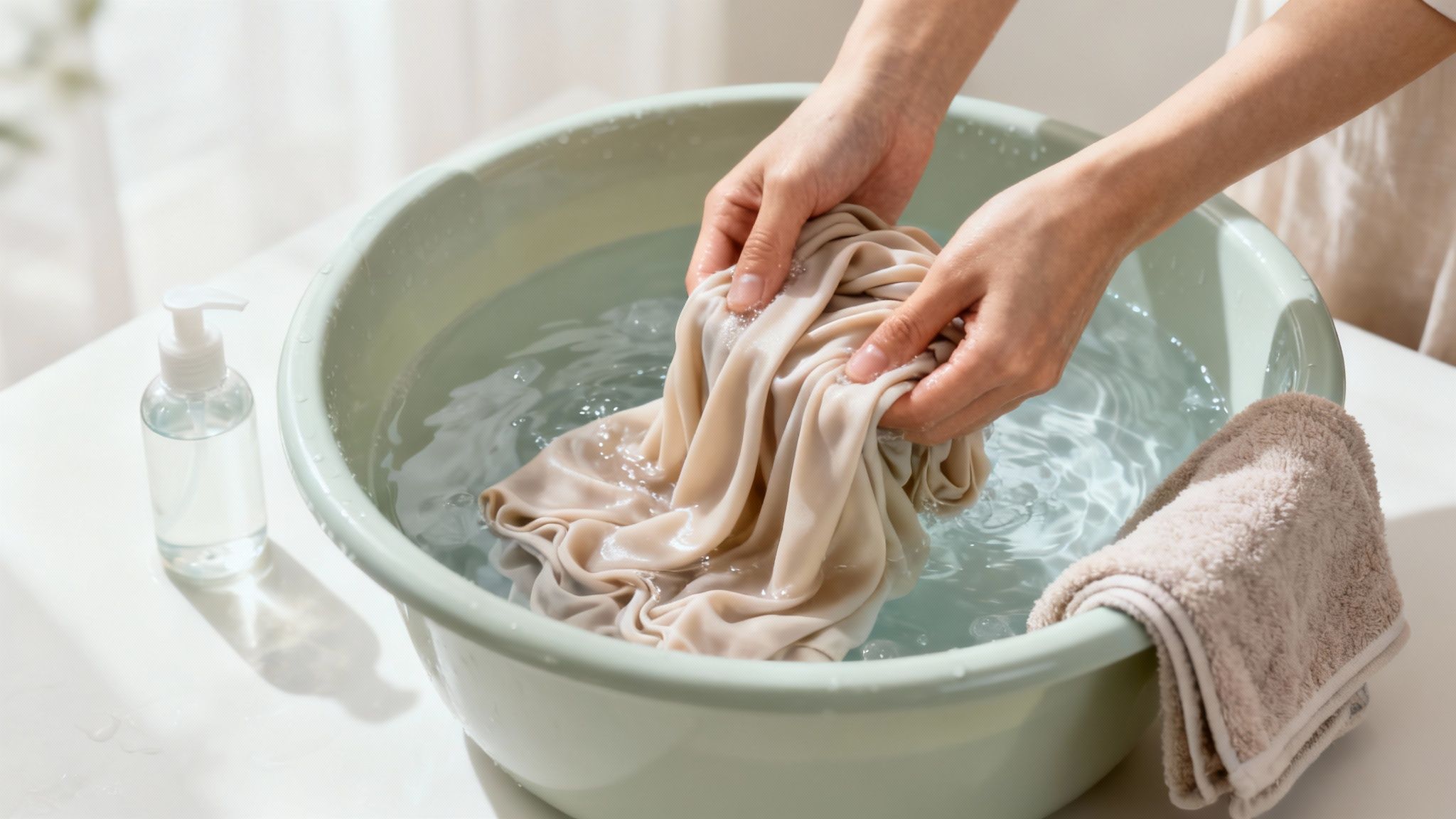
First things first, prepare your washing station. A clean basin, your sink, or even the bathtub will do. Fill it with cold water. I can't stress this enough: never use warm or hot water. Heat is the number one enemy of viscose, causing irreversible shrinkage.
Next, choose your detergent with care. Just a small amount of a mild, pH-neutral detergent is all you need. Think of formulas designed for silks or other delicates. Harsh chemicals are just too tough on the fabric's fine cellulose structure.
The Gentle Washing Process
Once your water is ready, fully submerge your viscose garment. Let it soak for just a few minutes; this allows the water and detergent to work their way into the fibers without any effort on your part. Remember, when viscose is wet, it's at its most vulnerable.
- Agitate with Care: Gently swish the garment through the water. This subtle motion is more than enough to lift away dirt without stressing the fabric.
- Avoid Harsh Actions: You must never twist, scrub, or wring out the fabric. These aggressive movements can easily stretch, warp, or even tear the weakened wet fibers.
- Soak, Don't Scrub: For most items, a 30-minute soak is plenty. Let time do the work for you.
After the soak, drain the soapy water and refill the basin with fresh, cold water for a rinse. Continue to gently swish the garment until all the suds are gone and the water runs clear. It might take a couple of rinses to ensure no detergent residue is left behind, which can dull the fabric's finish.
Removing Water Without Damage
Getting the excess water out is probably the most critical part of this whole process. Wringing the garment out is the fastest way to ruin it, so this step requires a very specific, gentle technique.
The goal is to press, not twist. Lay a clean, thick towel flat and place your wet viscose garment on top of it. Gently roll the towel up with the garment inside, pressing down softly as you go. The towel will absorb the bulk of the moisture without distorting the fabric's shape.
This rolling method protects the garment's structure and prepares it perfectly for the drying phase. This careful process is the perfect precursor to infusing your garment with a bold tribute to the spirit of renowned fragrance houses. Inspired by iconic French houses like Dior, Mugler, Chanel, and Le Labo, our fragrances are bold, mysterious, hypnotic, and unforgettable olfactory statements. These scents don't just tell a story; they leave a lasting impression.
Machine Washing Viscose Without Regret
Let's be realistic—while hand washing is the gold standard for delicate fabrics, life gets busy. Sometimes, the washing machine is the only practical option. The good news? You absolutely can machine wash your viscose pieces without destroying them. The secret is to replicate the gentle touch of hand washing using your machine's smartest, softest settings.
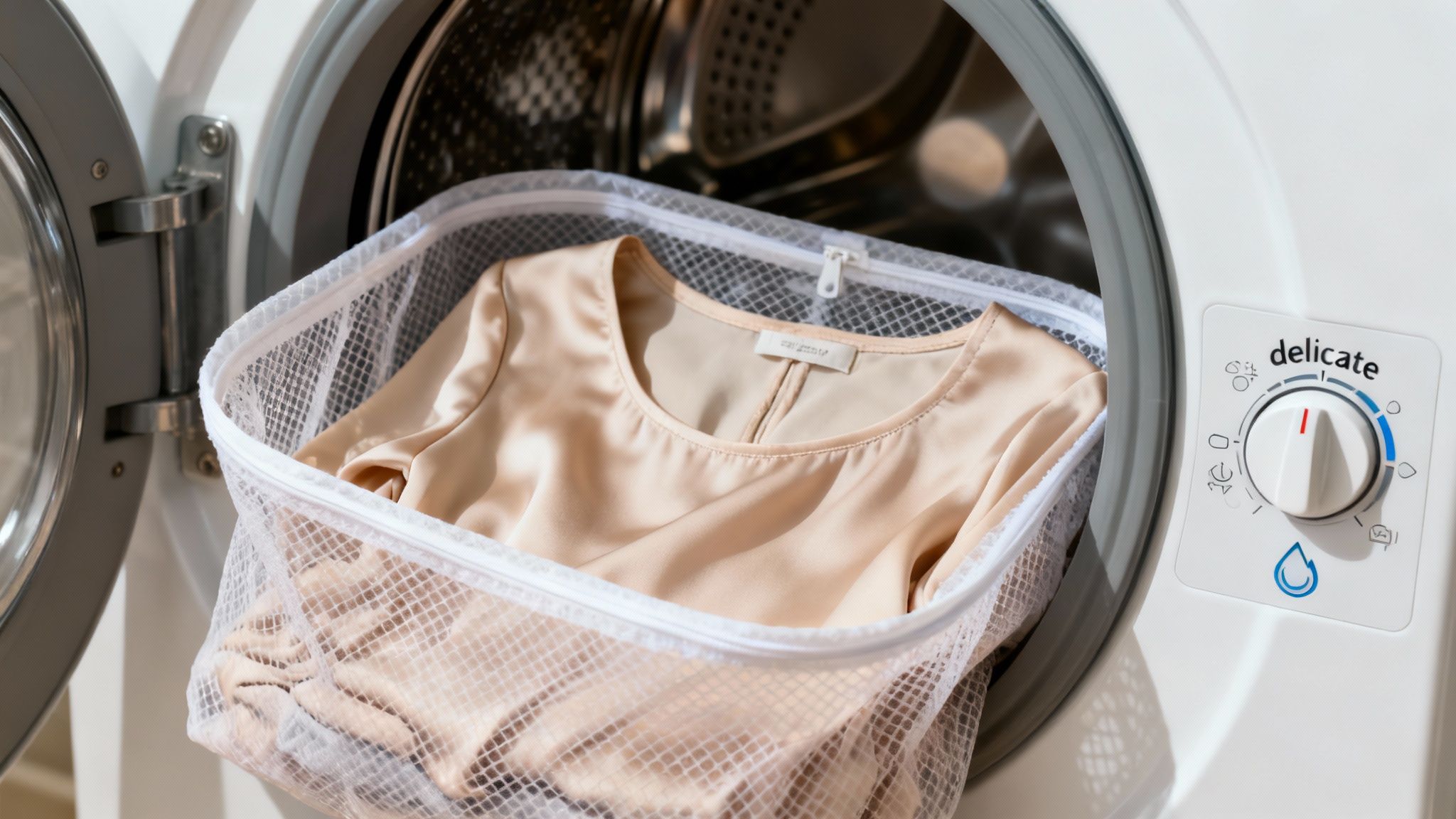
A little prep work before your garments even touch the drum makes all the difference. Always start by turning your viscose items inside out. This simple move is your first line of defense, protecting the fabric's lustrous outer surface from the friction that can cause pilling and fading.
Next, place everything into a mesh laundry bag. Consider this step non-negotiable. The bag acts as a protective cocoon, preventing delicate fibers from snagging on zippers or buttons and minimizing the stress from the machine's agitation.
Dialing In the Perfect Machine Settings
Your goal here is simple: be as gentle as humanly possible. The right settings are what stand between a successful wash and a laundry tragedy.
Always choose the most delicate cycle your machine has. This might be labeled 'Delicates,' 'Handwash,' or even 'Wool.' These cycles are engineered with minimal agitation and slow spin speeds—exactly what vulnerable, wet viscose needs to survive the wash.
- Water Temperature is Critical: This is the big one. Always, always use cold water. Never let the temperature climb above 30°C (86°F). Heat is the number one enemy of viscose, causing the irreversible shrinking and warping that gives the fabric its fussy reputation.
- Spin Speed Matters: Go low. Select the slowest spin speed available. A high-speed spin cycle will stretch and pull the weakened, wet fibers, permanently ruining the garment’s beautiful shape and drape. Less spinning means less stress.
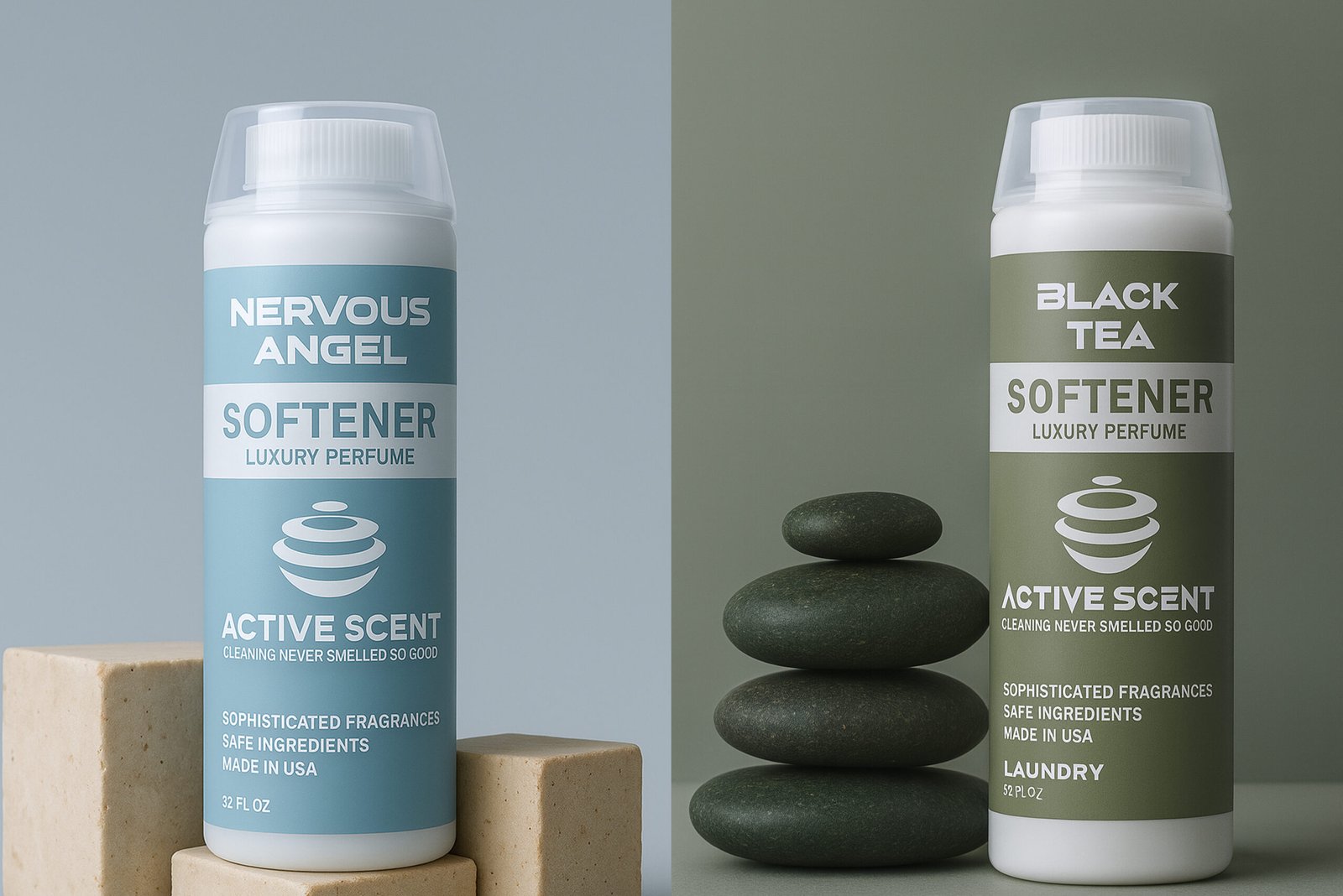
Choosing the right detergent is just as vital as the machine settings. Active Scent’s odor-free laundry detergent has been carefully formulated for a deep and effective clean, without competing fragrances. It's the ultimate neutral base, created to perfectly complement our range of luxury scented fabric softeners. It’s powerful cleaning with zero interference.
This approach creates a perfectly neutral canvas. For example, a scent where deep, earthy patchouli fuses with the burning radiance of amber, while fiery pimento berries ignite the composition with spice and warmth. A fragrance enveloped in the creamy depth of tonka bean and rich guaiac wood, while a touch of styrax adds a smoky elegance.
The Science Behind Gentle Washing
There's real textile science backing up these careful steps. Studies show that machine washing viscose at high temperatures can slash its tensile strength by up to 30% after just 10 cycles.
A 2023 global textile care study found that a staggering 70% of viscose garments washed in hot water showed visible pilling and deformation. Compare that to just 20% for those washed in cold water. In fact, washing-related damage accounted for about 25% of all viscose textile returns in major retail markets.
By mastering these settings, you can confidently use your machine without a second thought. To learn more about getting the most from your machine's gentlest settings, dive into our guide on the delicate wash cycle.
The Crucial Drying and Reshaping Process
How you handle viscose after the wash is just as important as the wash cycle itself. Get this part right, and you'll preserve that signature drape for years. Get it wrong, and you risk irreversible damage. This is where so many people make a critical, fabric-fatal mistake.
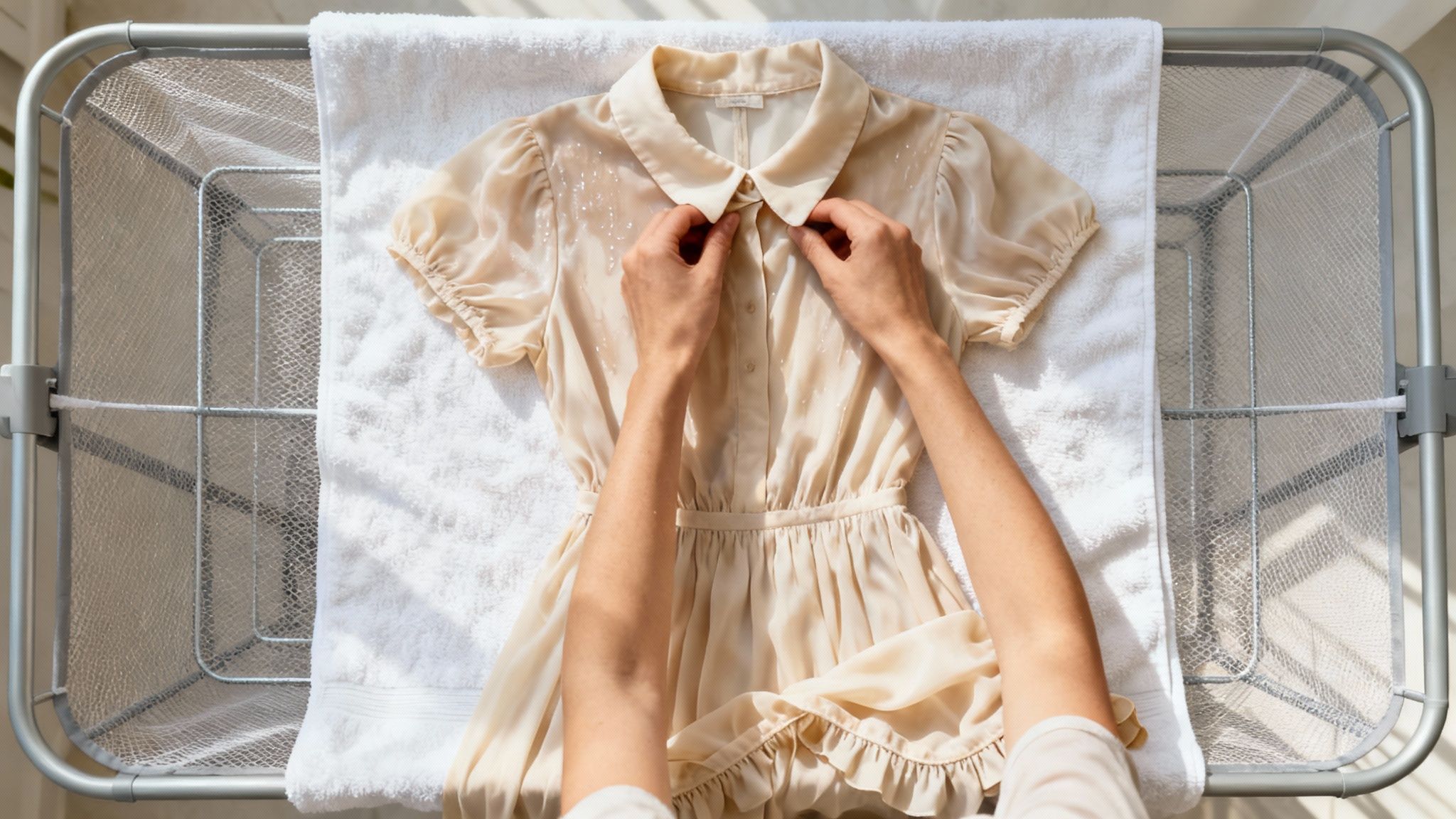
Let's be perfectly clear about the number one rule: never, ever put a viscose garment in a machine dryer. The intense heat and constant tumbling is the fastest way to shrink and warp those delicate, wet fibers beyond repair. The heat constricts them, while the tumbling action twists them into a distorted shape.
The Art of Air-Drying Viscose
Air-drying is the only way to go. But simply throwing a wet viscose blouse on a hanger can be just as damaging. The weight of the water will pull the fabric downward, stretching the shoulders and destroying its silhouette.
The best practice is to lay the garment flat. Here’s how to do it perfectly:
- Find a clean, thick towel and lay it on a flat surface, like a bed or a drying rack.
- Place your damp viscose item flat on the towel. Take a second to smooth out any major wrinkles or folds.
- Let it air dry away from direct sunlight or heat, which can cause yellowing or further damage to the fibers.
For the best results, it's worth exploring proper air drying techniques to prevent any damage and maintain your garment's original shape.
Reshaping While Damp for a Perfect Fit
Those few minutes after washing, while the garment is still damp, are your golden opportunity to ensure it dries perfectly. This is the moment to gently reshape it back to its original form.
Take a moment to smooth out the fabric with your hands. Pay close attention to key areas like collars, cuffs, hems, and necklines. Gently pull and pat them back into their intended shape. This small effort prevents puckering and ensures the garment dries looking crisp and well-formed.
Viscose’s popularity has led to more focus on its care. Did you know up to 40% of viscose garments are washed weekly? Improper methods are a huge issue. Research in 2022 revealed that viscose can shed an average of 1,200 microfibers per wash, a number that jumps by 30% with high heat or harsh detergents. Proper washing and drying are key to extending the life of your clothes.
Mastering this drying and reshaping process is the final step in knowing you can wash viscose with confidence. It ensures your clothes not only survive the wash but emerge looking flawless. For more tips on speeding up this crucial stage, check out our guide on how to air-dry clothes faster.
Finishing Touches for a Flawless Look
Once your viscose is clean and dry, a few final touches can take it from looking good to looking absolutely flawless. This is where you gently coax out any wrinkles and lock in a beautiful, lasting fragrance, making your favorite pieces feel brand new all over again.
Getting this final step right not only restores that gorgeous, fluid drape viscose is known for, but it also protects the fabric for the long haul. Remember, direct, high heat is the enemy here. A soft touch is all you need for a crisp, polished finish that honors the delicate fibers.
The Gentle Art of Ironing Viscose
If you love a classic, crisp finish, an iron can be your best friend—but only if you use it the right way. The secret is to work with low heat and just a touch of moisture.
- Turn the dial way down. Always choose the lowest heat setting on your iron. Look for settings labeled ‘silk,’ ‘rayon,’ or the one marked with a single dot. High heat can easily scorch or even melt the delicate cellulose fibers of your garment.
- Iron while it’s slightly damp. Viscose is much more cooperative when it's not bone-dry. A little moisture helps the heat gently release wrinkles without making the fabric brittle.
- Always work on the reverse side. Flip the garment inside out before you start. This is a pro-level trick that prevents the iron from creating that tell-tale "shine" on the fabric's surface, preserving its natural, matte luster.
- Use a press cloth as a buffer. For extra insurance, especially on dark or vibrant colors, place a thin cotton cloth (like a clean handkerchief) between the iron and your garment. This little barrier distributes the heat more evenly and protects the fabric.
Steaming: A Superior Alternative
Honestly, for most of my viscose pieces, I skip the iron altogether. Steaming is a far better option. A good handheld steamer is one of the best investments you can make for your wardrobe, especially for delicate fabrics. It uses moist heat to relax the fibers and smooth away wrinkles without any harsh, direct contact.
Steaming is faster, gentler, and brilliant at bringing back the fabric’s natural, flowing drape. Just hang the garment and pass the steamer over it in smooth, top-to-bottom motions. You'll literally watch the wrinkles fall away.
This finishing stage is also the perfect moment to elevate the entire sensory experience of your garment. When you start your wash with a powerful, odor-free detergent, you create a pristine canvas. This allows the complex, beautiful notes of a luxury fabric softener to truly shine, infusing your perfectly cared-for clothes with a hypnotic, unforgettable fragrance.
With Active-Scent.com, POWERFUL DETERGENTS FUSED WITH LUXURIOUS FRAGRANCES, each product delivers a spark of joy, a touch of boldness, and a surge of confidence, all wrapped up in a powerful and EXCEPTIONAL product. Taking these extra steps can make a huge difference, and you can find more guidance in our article on how to make clothes softer.
Your Viscose Care Questions, Answered
Even with a step-by-step guide, you're bound to run into a few specific questions when caring for a fabric as particular as viscose. Think of this as your go-to reference for those little dilemmas that pop up on laundry day.
Can I Use Fabric Softener on Viscose?
Absolutely. A high-quality fabric softener is one of the best ways to preserve that signature, liquid-like drape of a viscose garment.
For a truly exceptional result, try pairing a powerful, neutral detergent with a luxury scented fabric softener. At Active Scent, our lead perfumer and aroma designer masterfully master light and shadow, creating scents that are as enigmatic as they are energetic and refreshing. Inspired by the luxurious complexity of raw materials, we use premium, avant-garde, and sometimes exotic ingredients to olfactorily capture the essence of contemporary individuality. Each fragrance is composed of natural and ethically sourced ingredients, offering a refined and distinguished sensory experience.
My Viscose Garment Shrank a Little. Can I Fix It?
We’ve all been there. For minor shrinkage, there’s a great rescue method that often works wonders. Fill a basin with lukewarm water and add a capful of hair conditioner or baby shampoo, letting the garment soak for about 30 minutes. The idea is to relax the fibers, just like conditioner does for hair.
Gently squeeze the water out—never, ever wring it—and lay the item flat on a thick towel. While it’s damp, carefully begin to stretch it back to its original shape and size. Let it air dry completely flat. It's not a foolproof fix for severe shrinkage, but for those slight mishaps, it's surprisingly effective.
Why Does Viscose Feel Stiff After Washing?
It’s completely normal for viscose to feel a bit crisp or rigid right after it air-dries. This is just a temporary side effect of the cellulose fibers realigning as the water evaporates.
Don't panic—the fabric’s natural softness and fluid movement will come right back. Your own body heat and motion are usually enough to relax the fibers as you wear it. If you're in a hurry, a light pass with a steamer or a quick iron on the reverse side (low heat, of course) will instantly restore its beautiful drape.
What Is the Difference Between Viscose and Modal?
Think of them as cousins in the same family. Viscose, Modal, and Lyocell are all rayons made from wood pulp, but they're not created equal when it comes to strength.
- Viscose is the most common and also the most delicate of the bunch, especially when it's wet. It requires the most careful handling.
- Modal is what’s known as a high-wet-modulus (HWM) rayon. In simple terms, it’s stronger when wet and far less likely to shrink or lose its shape.
- Lyocell, often known by its brand name Tencel, is even more durable and is produced in a closed-loop system that's much friendlier to the environment.
While the care instructions are similar across the board, you can afford to be a little less precious with your modal and lyocell pieces compared to standard viscose.
Ready to transform your laundry ritual into a luxurious sensory experience? With Active Scent, your clothes will not only be perfectly cared for but will also carry an unforgettable, hypnotic fragrance.
Discover our collection of powerful detergents and luxury softeners inspired by iconic perfume houses at https://active-scent.com. LAUNDRY NEVER SMELLED SO GOOD