Laundry is often viewed as a routine chore, but at its best, it functions as preventive maintenance for clothing. Every wash cycle is an opportunity either to protect or to degrade fabric integrity. Detergents and fabric softeners designed with long-term garment care in mind help consumers preserve both the appearance and functionality of their wardrobes.
Repeated washing exposes fabrics to mechanical stress, chemical interaction, and thermal impact. Low-quality detergents can accelerate fiber damage by stripping away protective finishes or leaving residues that stiffen fabrics. In contrast, advanced formulations clean effectively while minimizing unnecessary abrasion and chemical stress.
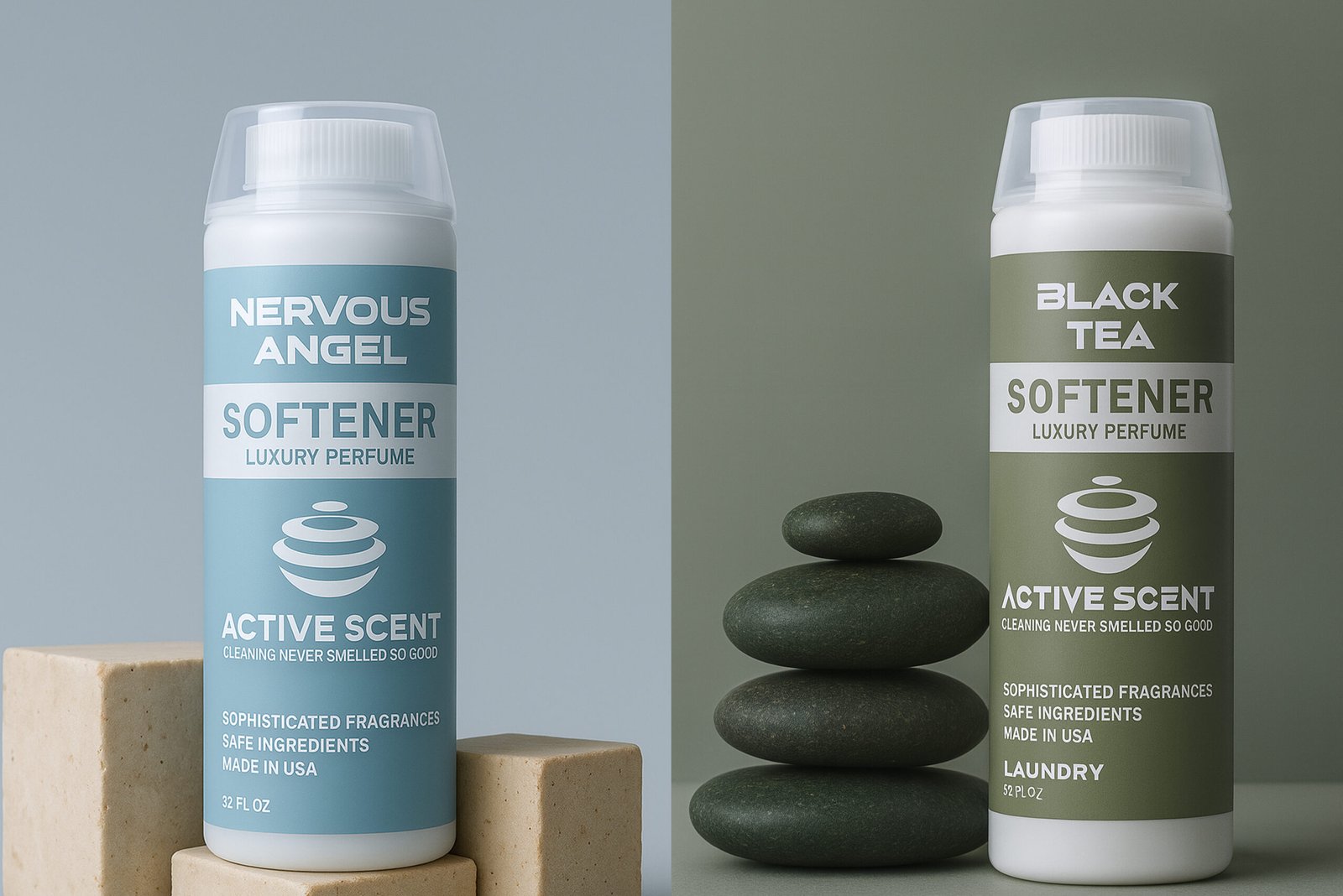
Fabric softeners extend this protective effect by reducing friction during washing and drying. By smoothing fiber surfaces, softeners help prevent pilling, stretching, and static buildup. This is particularly important for performance fabrics and blended textiles, which are more sensitive to repeated mechanical stress.
Preventive fabric care also has aesthetic benefits. Colors remain more vibrant, whites stay brighter, and garments maintain their original drape and fit. Over time, this reduces the need for frequent replacements, supporting more thoughtful consumption without requiring major behavior changes from consumers.
When laundry products are positioned as tools for garment preservation rather than simple cleaners, they elevate everyday routines into acts of care. Brands that communicate this mindset help consumers see laundry as an investment in longevity, quality, and sustainability.