Washing linen is surprisingly simple. All it really takes is a gentle machine cycle with lukewarm or cold water and a mild, high-quality detergent. This simple approach protects the fabric's natural fibers, letting it get softer and more comfortable with every single wash. The secret is just to skip the harsh chemicals and high heat.
The Secret to Perfectly Washed Linen
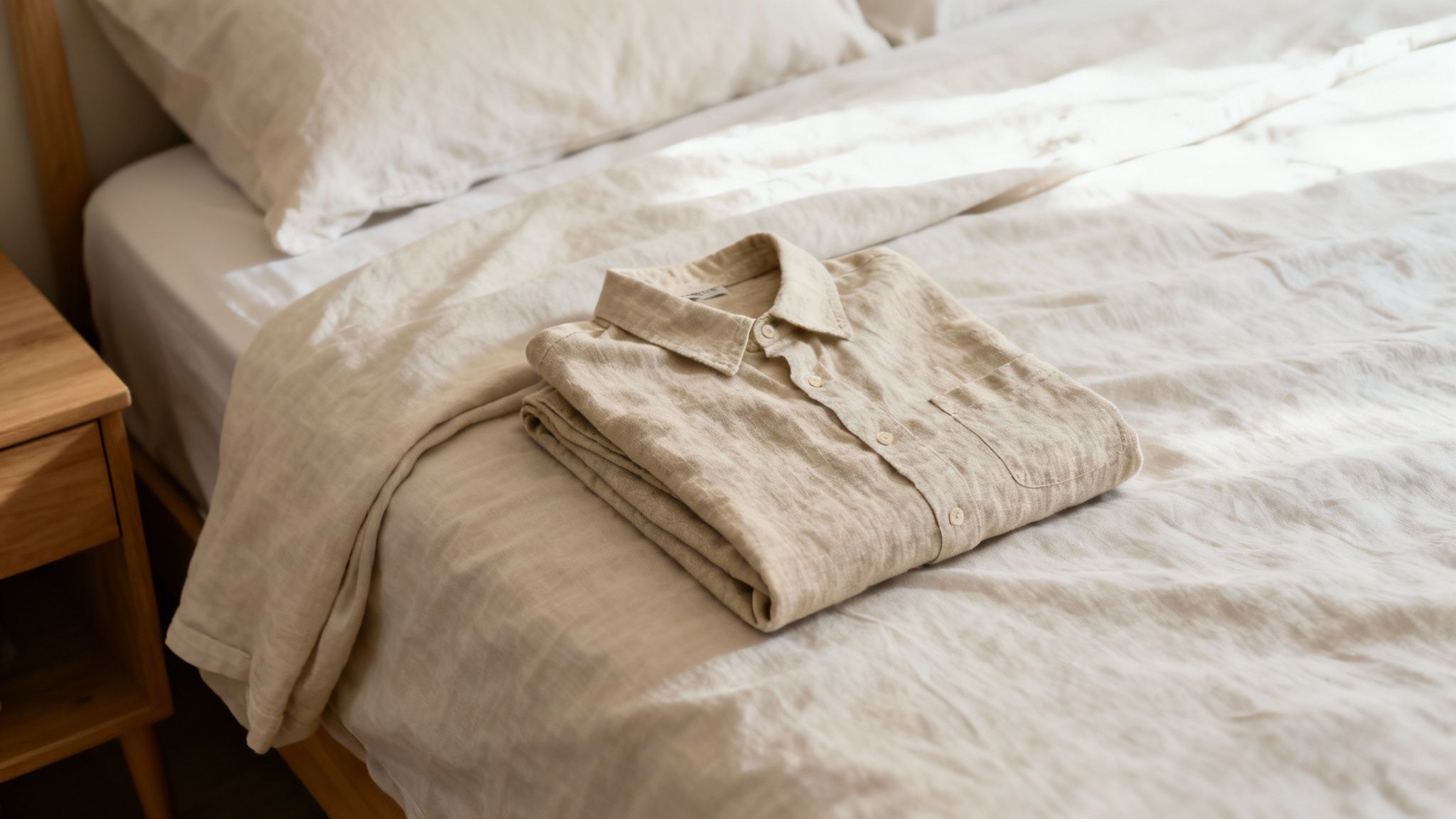
Honestly, washing linen shouldn't be stressful. The truth is, caring for this timeless fabric is far easier than most people imagine. With just a few simple adjustments, you can confidently wash everything from your favorite linen shirt to your softest bedding, knowing you're enhancing its unique character over time.
This guide is here to cut through the confusion and demystify the process. Linen is a fabric that loves a good wash—it becomes more supple and luxurious each time it goes through a gentle cycle.
Why Proper Care Matters
Learning how to wash linen properly is about more than just getting it clean; it’s about protecting your investment. Well-cared-for linen is incredibly durable and can last for decades. The entire goal is to preserve those long, beautiful fibers that give the fabric its signature strength and texture.
Here’s what you need to keep in mind:
- A Gentle Touch is Key: Aggressive washing is the enemy of linen, as it can weaken and break the fibers. A gentle cycle is always the way to go.
- Temperature is Everything: High heat is a shortcut to shrinking and misshaping your linen. Stick with cold or lukewarm water to keep it pristine.
- The Right Products Make a Difference: Harsh detergents can strip the fabric, while waxy softeners coat the fibers and ruin their natural absorbency.
It seems like most people are catching on. According to a recent global textile care survey, about 68% of linen owners now opt for machine washing over the hassle of hand washing. The same survey found that 72% of people use cold water (below 30°C), specifically to preserve the fabric's color and feel.
One of the biggest mistakes I see is people treating linen like it’s cotton. Linen needs a much gentler touch and lower temperatures to maintain its structure and that incredible, luxurious feel.
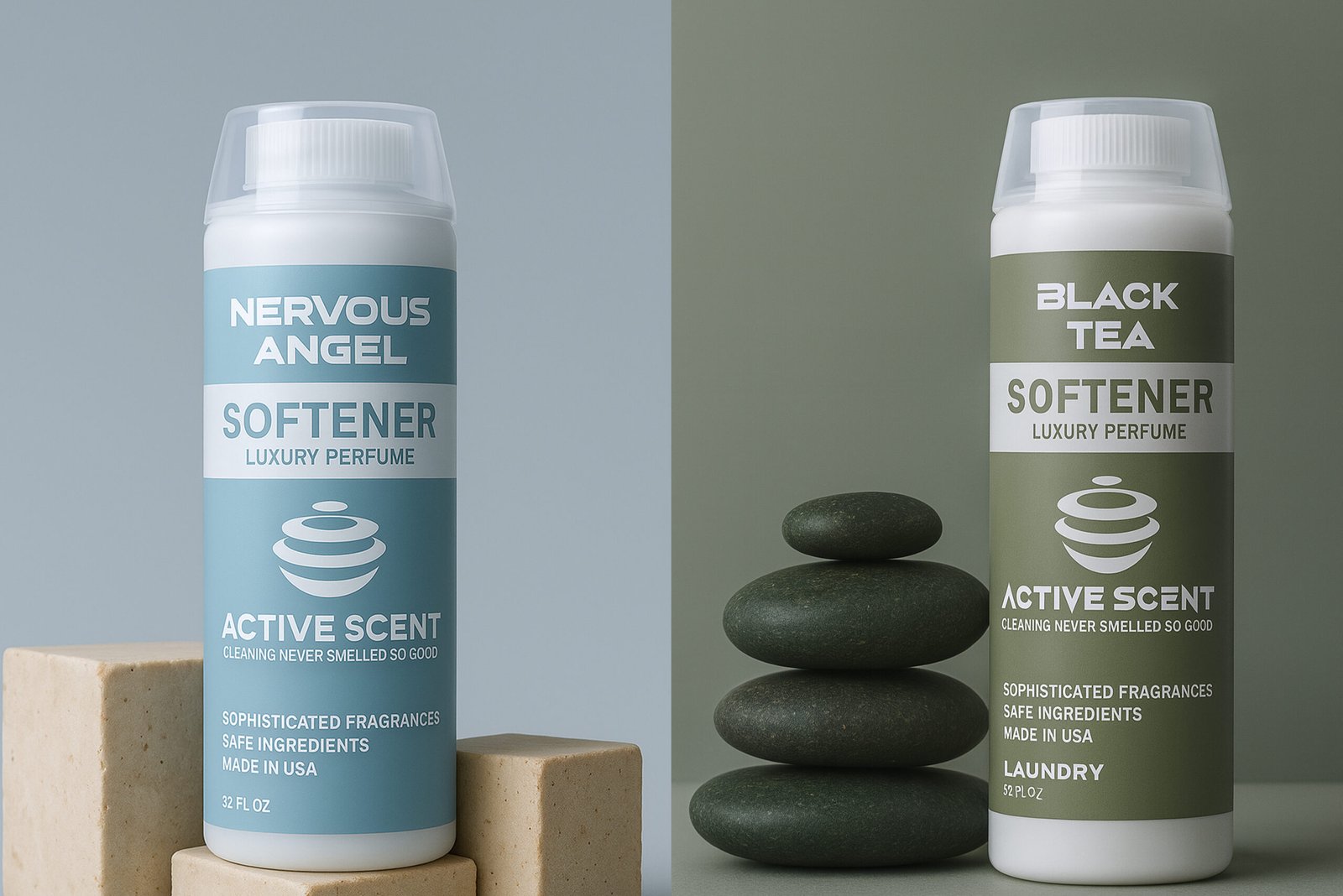
The real secret to exceptional linen care? It's pairing a deep, effective clean with a touch of personal luxury. You start with a powerful, odor-free detergent that respects the fabric's integrity. This creates the perfect neutral canvas, allowing you to layer on a sophisticated fragrance with a complementary fabric softener, turning your laundry into a sensory experience.
To learn more about getting that perfect texture, check out our guide on how to soften clothes without compromising the fabric.
Linen Washing Quick Reference
Here’s a quick-glance table to make your laundry day even easier. Think of it as your cheat sheet for perfect linen every time.
| Care Step | Recommended Action | Why It Matters |
|---|---|---|
| Pre-Treat Stains | Act quickly with a gentle stain remover. | Prevents stains from setting into the natural fibers. |
| Sort Laundry | Wash linen with similar colors and lightweight fabrics. | Avoids color bleeding and damage from heavy items like denim. |
| Water Temperature | Use cold or lukewarm water (below 30°C / 86°F). | Protects fibers from shrinking and weakening. |
| Wash Cycle | Select the gentle or delicate cycle. | Mimics hand washing, reducing stress on the fabric. |
| Detergent | Use a mild, high-quality liquid detergent. | Prevents residue buildup and preserves fabric integrity. |
| Drying Method | Air dry on a line or flat surface, or tumble dry on low. | High heat can damage fibers; low heat keeps it soft. |
Following these simple guidelines ensures your linen not only stays clean but also continues to improve, growing softer and more beautiful with each wash. It's a small effort for a huge reward.
Preparing Linen for a Flawless Wash
What happens before your linen ever touches the water is just as critical as the wash cycle itself. Think of it as laying the groundwork for a perfect clean. A few small, intentional steps here are your best defense against damage, ensuring your treasured pieces emerge flawless and refreshed.
This pre-wash ritual isn't about adding another chore to your list; it’s about preserving the integrity and beauty of the fabric. Skipping it can lead to frustrating problems like color bleeding, snags from heavier garments, or stubborn stains that decide to move in permanently.
Sort Your Linen Like a Pro
First, let's talk sorting. This goes beyond the simple lights and darks. The real secret is sorting by fabric weight and texture. Tossing your delicate linen sheets in with a pair of heavy denim jeans or a jacket with metal zippers is a recipe for disaster. That kind of friction is abrasive, leading to pilling and weakening the delicate linen fibers over time.
The best practice? Create a dedicated "linen only" load. If you don't have enough for a full load, wash your linen with other lightweight, soft fabrics. Think high-quality cotton tees or silky bamboo pajamas. This simple habit protects your linen from the wear and tear of a rough tumble with heavier items.
Tackle Stains Immediately
Linen is incredibly absorbent—that's part of what makes it so comfortable to wear. But that quality also means it soaks up spills in a flash. The absolute key to saving your fabric from a coffee splash, a drop of wine, or a bit of salad dressing is to act fast.
For any fresh spill, follow this simple routine:
- Blot, Don't Rub. This is rule number one. Grab a clean, damp cloth and gently blot the stain, working from the outside in to prevent it from spreading. Rubbing just grinds the stain deeper into the weave.
- Use a Gentle Solution. For most common stains, a simple mix of a mild detergent and cold water is your best friend. Apply a small amount directly onto the spot.
- Dab Gently. Use your cloth to carefully dab the solution into the fabric. You'll start to see the stain lift and transfer from the linen to your cloth.
- Rinse with Cold Water. Once the stain vanishes, give the area a quick rinse with cold water before you put it in the machine.
A common mistake is to blast a stain with hot water, especially on things like blood or egg. Heat will essentially 'cook' the protein into the fibers, setting it for good. Always start with cold water.
This prep work might seem meticulous, but it’s the foundation of a truly luxurious wash. By sorting correctly and treating stains the moment they happen, you create the perfect canvas. It ensures that when you introduce a bold, hypnotic fragrance, it's absorbed into perfectly clean fabric, ready to make an unforgettable olfactory statement.
Mastering the Linen Washing Cycle
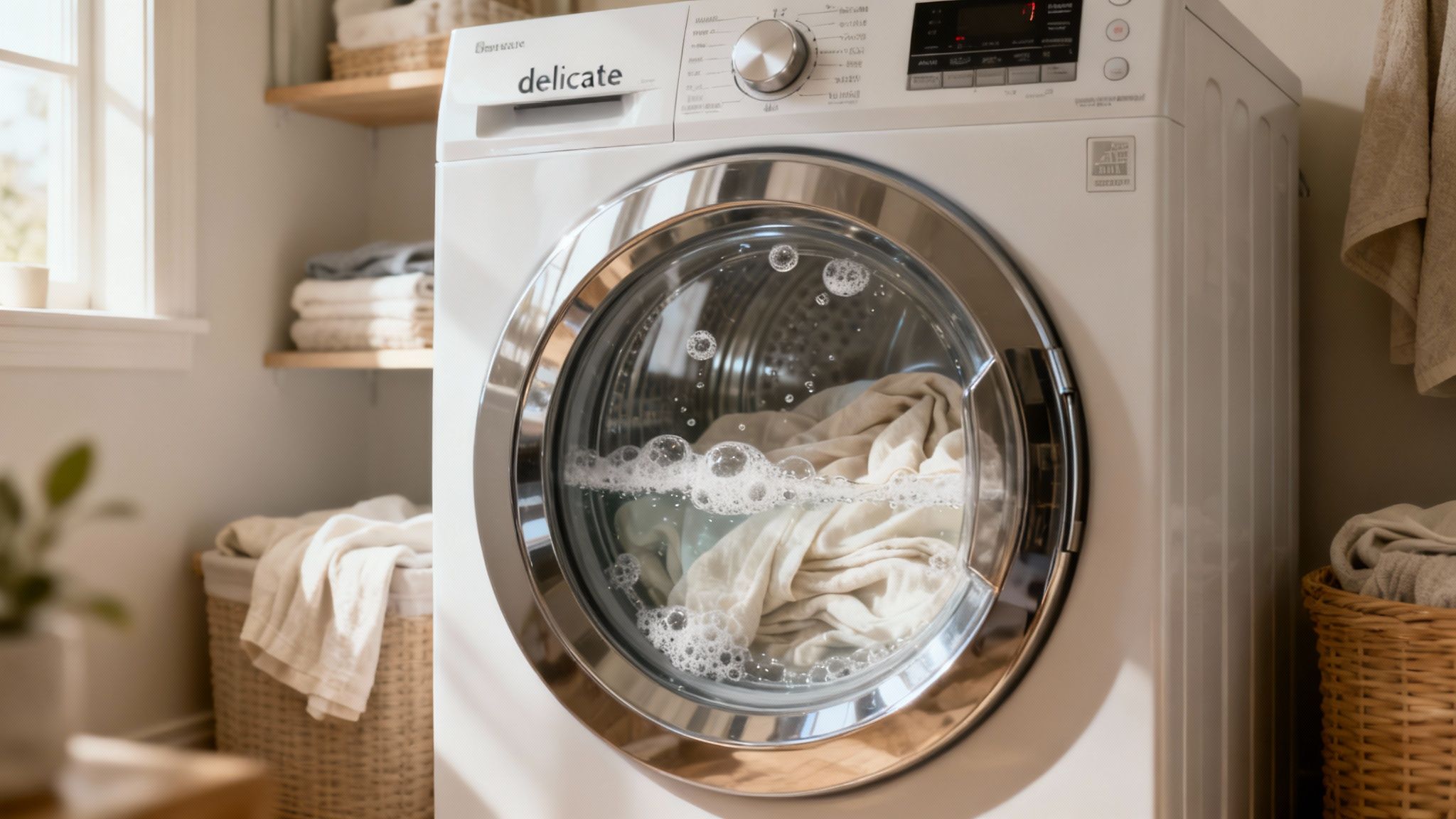
Now for the main event. With your linens sorted and stains handled, it's time for the wash. The secret to washing linen is realizing it thrives on a gentle touch—no aggressive cycles or scalding water needed to get it perfectly clean and fresh.
Choosing the right cycle is your first move. For linen, the gentle or delicate cycle is non-negotiable. This setting mimics the careful motion of hand washing with a slower spin and less agitation, protecting the long, natural fibers from the kind of stress that causes them to weaken or tear over time.
The Ideal Water Temperature
Just as crucial as the cycle is the water temperature. It might be tempting to crank up the heat for a "deeper" clean, but that's one of the biggest mistakes you can make. High heat forces the fibers to constrict and shrink, which can permanently ruin the fit of a favorite shirt or the perfect drape of your bedding.
Always opt for cold or lukewarm water—anything below 30°C / 86°F. This is more than enough to clean the fabric beautifully, especially with a quality detergent. It's also key to keeping your colored linens vibrant and preventing them from fading.
Don't just take our word for it. Recent textile studies show linen washed in cold water on a gentle cycle kept 92% of its original strength and color after 50 washes. That's a huge leap from the 76% retained by linen washed in hot water. The proof is in the data, which you can see in the full linen fabric market report.
Choosing the Right Detergent
The detergent is the final piece of the puzzle. Harsh, chemical-heavy formulas can strip linen of its unique texture, leaving it feeling stiff and brittle. You want a detergent that cleans deeply without compromising the fabric's integrity.
This is where a neutral, odor-free detergent is a game-changer. A formula like Active Scent's powerful odor-free detergent has been carefully formulated for a deep and effective clean, without competing fragrances. It creates the ultimate neutral base, removing dirt and oils while respecting the delicate fibers.
This approach creates the perfect canvas. When your linen is impeccably clean, it's ready to be infused with a luxury fragrance from a complementary fabric softener—resulting in a bold, mysterious, and unforgettable olfactory statement. LAUNDRY NEVER SMELLED SO GOOD!
So, how much should you use? Almost always less than you think. Too much detergent leaves behind a residue that makes linen feel stiff and scratchy. A small, measured amount is all you need for a standard load. This protects your fabric and ensures a clean, residue-free rinse every time.
For a deeper dive into handling delicate fabrics, check out our complete guide on the delicate wash cycle. It's packed with essential tips that are perfect for your linen care ritual.
Infusing Your Linen with a Signature Scent
Once your linen is impeccably clean, it's time to move beyond simple laundry and into a sensory ritual. Each product should deliver a spark of joy, a touch of boldness, and a surge of confidence, all wrapped up in a powerful and EXCEPTIONAL product.
First, let's be clear: traditional, waxy fabric softeners are the enemy of linen. They work by coating the fibers, which instantly ruins the fabric's signature breathability and natural absorbency. You're left with linen that feels slick, suffocated, and far less effective. It's a definite no-go.
The modern, luxurious alternative is to think like a perfumer. By pairing a powerful, neutral detergent with a luxury scented softener, you layer fragrance onto your fabrics with intention and sophistication. This is where the magic truly happens.
The Art of Layering Scent on Fabric
This two-step process—clean first, then scent—ensures the fragrance isn’t just masking odors but bonding with a perfectly clean canvas. Using a complementary product, like those from Active Scent, allows you to infuse your linen with complex, unforgettable fragrances inspired by the spirit of iconic French houses like Dior, Mugler, Chanel, and Le Labo.
This is how you transform an everyday chore into a bold statement of personal style.
Imagine your clean linen carrying a hypnotic, mysterious olfactory signature. Deep, earthy patchouli fuses with the burning radiance of amber, while fiery pimento berries ignite the composition with spice and warmth. It's all enveloped in the creamy depth of tonka bean and rich guaiac wood, as a touch of styrax adds a smoky elegance. To see how these premium ingredients come together, you can read more about the Active Scent story.
This deliberate approach to fragrance for clothes adds a touch of personal luxury without ever compromising the integrity of the natural linen fibers. At Active Scent, our lead perfumer masterfully masters light and shadow, creating scents that are as enigmatic as they are energetic.
The goal is to create a lasting impression. Your linen shouldn't just feel clean; it should tell a story through its scent—a bold tribute to the spirit of renowned fragrance houses that is both enigmatic and unforgettable.
Why This Method Preserves Your Linen
By avoiding that waxy buildup, you ensure your linen continues to perform exactly as it should. Here’s why this method is so much better for the health of your fabrics:
- Maintains Absorbency: Your linen towels and bedding stay thirsty and highly effective.
- Preserves Breathability: The fabric’s natural airflow isn’t blocked, which is key to keeping you cool and comfortable.
- Prevents Fiber Damage: Without a heavy coating, the linen fibers remain strong and flexible, actually getting softer with every single wash.
Ultimately, this technique respects the fabric while allowing you to customize its final aroma. It’s a refined method for anyone who appreciates the finer details in life. For those interested in going deeper, consider exploring the art of crafting your own signature scent with fragrance oils to understand the nuances of fragrance composition.
Drying and Storing Linen for Lasting Quality
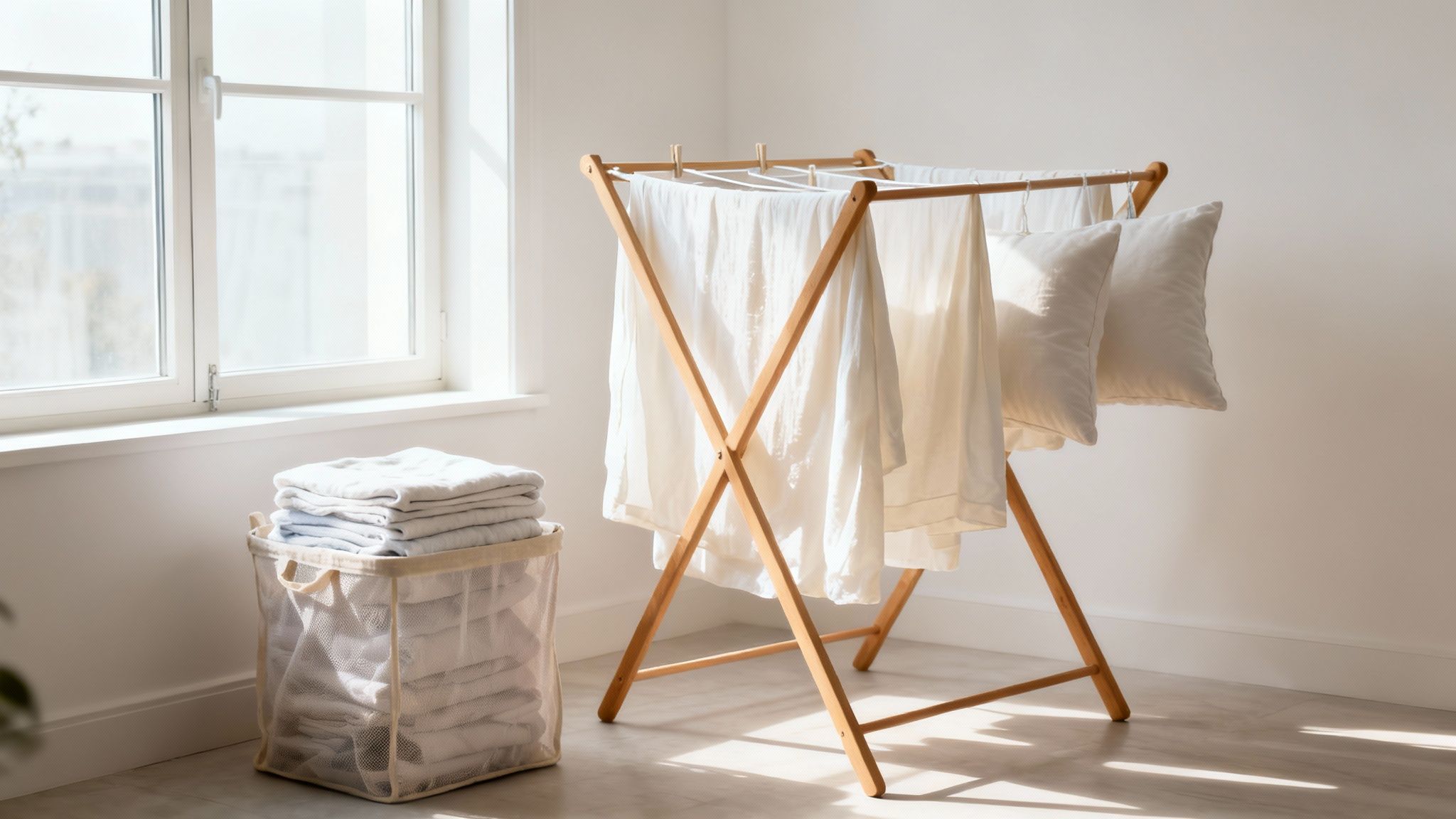
The journey to perfectly cared-for linen doesn't stop when the wash cycle ends. In fact, what you do next—the drying and storing—is just as important for preserving that soft, relaxed feel and ensuring your favorite pieces last for years.
This final stage is where you truly lock in the benefits of a luxurious wash. Get it right, and your linen remains a beautiful, long-lasting investment. Rush it with high heat, and you can undo all your hard work, leaving you with stiff, shrunken fabric. A little patience here makes all the difference.
The Best Way to Dry Linen
When it comes to drying linen, a gentle approach is non-negotiable. This natural fiber responds beautifully to patient methods that don't shock it with intense heat.
Without a doubt, air-drying is the gold standard. It's the kindest method you can choose, allowing the fibers to relax and dry naturally without the stress of a machine. This simple process is your best bet for preventing stiffness and preserving the fabric's inherent softness and strength.
- Line-Drying: The best option for shirts, trousers, or sheets. Hanging them on a line gives you fantastic air circulation, which helps everything dry evenly and quickly.
- Flat-Drying: Essential for heavier items like linen sweaters or blankets. Laying them flat on a drying rack or a clean towel prevents the weight of the water from stretching the fabric out of shape.
Looking for more ways to optimize your routine? We've got a whole guide on how to air dry clothes faster.
Using a Machine Dryer Safely
Let’s be realistic—sometimes, the dryer is just more practical. The good news is you can absolutely use one without ruining your linen. The key is to follow one critical rule: always use a low-heat, gentle setting.
High heat is linen’s arch-nemesis in the dryer. It causes the fibers to seize up, becoming brittle and stiff. Stick to a low-tumble or delicate cycle. But here’s the real insider tip: pull your linen out while it’s still slightly damp. That crispy, board-like stiffness comes from over-drying.
The secret to keeping linen soft and making ironing a breeze is to remove it from the dryer while it still holds just a hint of moisture.
Perfecting the Finish with Ironing and Storage
If you love a crisp, smooth finish, the best time to iron is while your linen is still damp. That little bit of moisture helps the iron glide effortlessly across the fabric, releasing wrinkles with minimal effort. Use a medium-hot setting, but just like with drying, don’t press until it's bone-dry.
Proper storage is the final, crucial touch. Linen needs to breathe, so never store it in plastic bags or containers. This can trap moisture and lead to mildew or yellowing over time.
A cool, dry, and well-ventilated closet or drawer is the perfect home for your folded linen. This simple step ensures your beautifully washed and scented pieces stay fresh, ready to give you that surge of confidence the next time you wear them.
Your Linen Care Questions Answered
Even the most seasoned linen lovers run into questions now and then. Think of this as your go-to guide for troubleshooting common issues and perfecting your laundry ritual, ensuring every piece remains a showstopper.
From wash frequency to that post-wash feel, we’ve tackled the most common queries with clear, practical answers.
How Often Should I Wash Linen?
Here’s one of the best things about linen: you don't have to wash it as often as other fabrics. Its incredible natural antimicrobial and breathable qualities mean it stays fresher, longer. Seriously.
- For Bedding: A good rule of thumb is to wash your linen sheets every 7-10 days.
- For Clothing: Depending on what you’ve been doing, washing after 2-3 wears is usually perfect.
This approach not only protects the fabric's beautiful natural fibers but also keeps things hygienic. It's a common question, and many people wonder how often you should change your sheets in general for the freshest sleep. Market trends actually show that households wash linen sheets every 7 to 10 days, compared to every 5 to 7 for cotton, which really speaks to linen's superior breathability. You can even learn more about these linen fabric trends if you're curious about consumer habits.
Can I Use Fabric Softener On Linen?
We strongly recommend you don't use conventional, waxy fabric softeners. They leave a gross film on those delicate linen fibers, which kills their famous absorbency and signature soft texture over time. It's like suffocating the fabric.
The perfect alternative? Pair a powerful, odor-free detergent with a luxury scented fabric softener. This lets you wrap your linen in a bold, hypnotic fragrance—like a fine perfume—without causing any buildup or damaging the fabric’s integrity. These scents don't just tell a story, they leave a lasting impression.
Why Does My Linen Feel Stiff After Washing?
That post-wash stiffness is a common—and totally fixable—issue. It’s usually caused by leftover detergent residue or mineral deposits from hard water clinging to the fibers. Over-drying is another big culprit; high heat essentially "bakes" the fibers into a rigid state.
Here’s how to bring back the softness:
- Rinse Thoroughly: Never overload your machine. Your linen needs room to move so water can wash away every trace of soap.
- Use the Right Amount of Detergent: More soap does not equal a better clean. Stick to the recommended amount to prevent that stiff residue.
- Don't Over-Dry: If you're using a machine, pull your linen out while it’s still just slightly damp to the touch.
And remember, linen naturally gets softer and more luxurious with every single wash. The stiffness you feel in new pieces will fade away with proper care, revealing the fabric's true, incredible character.
At ACTIVE SCENT, we believe laundry should be a statement—a bold reinvention of an everyday ritual into a luxurious sensory experience. Inspired by the luxurious complexity of raw materials, we use premium, avant-garde, and ethically sourced ingredients to olfactorily capture the essence of contemporary individuality.
Experience the art of fragrance at https://active-scent.com.